Part of our services is the capability to add graphics and permanent markings to your parts and enclosures. We have a few different ways to achieve this, including digital printing, silkscreening and laser marking.
This blog compares these three methods across a few different factors to help you make an informed decision that aligns with your project goals.
While all three have the same goal – they are used to add labeling, serialization, branding or schematics – but the way they are applied is quite different.
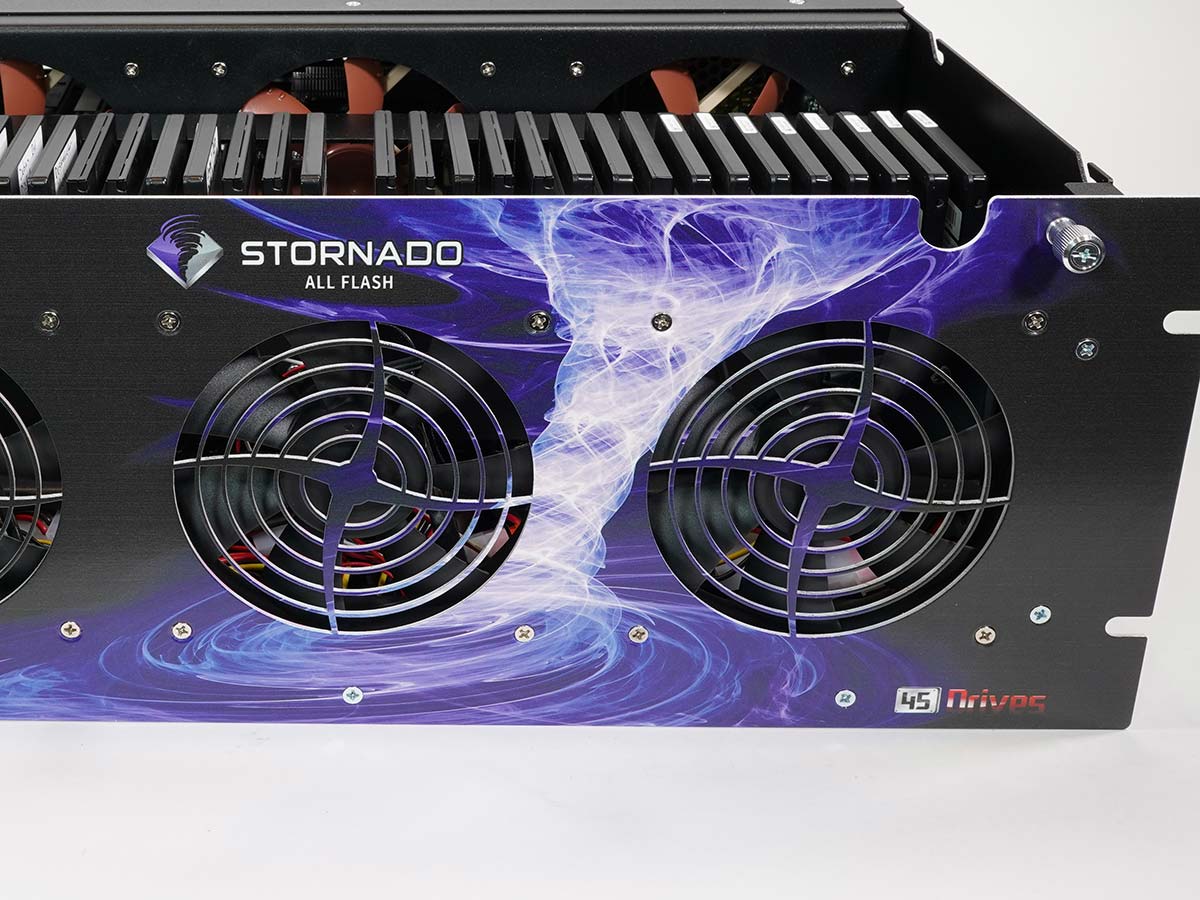
Our cutting-edge UV-based flatbed digital printing features laser alignment technology for accurate and crisp printing of complex visuals.
On the other hand, silkscreening is the process of passing durable inks through a porous fabric, creating a high-resolution sharp-edged single-color image created from a stencil.
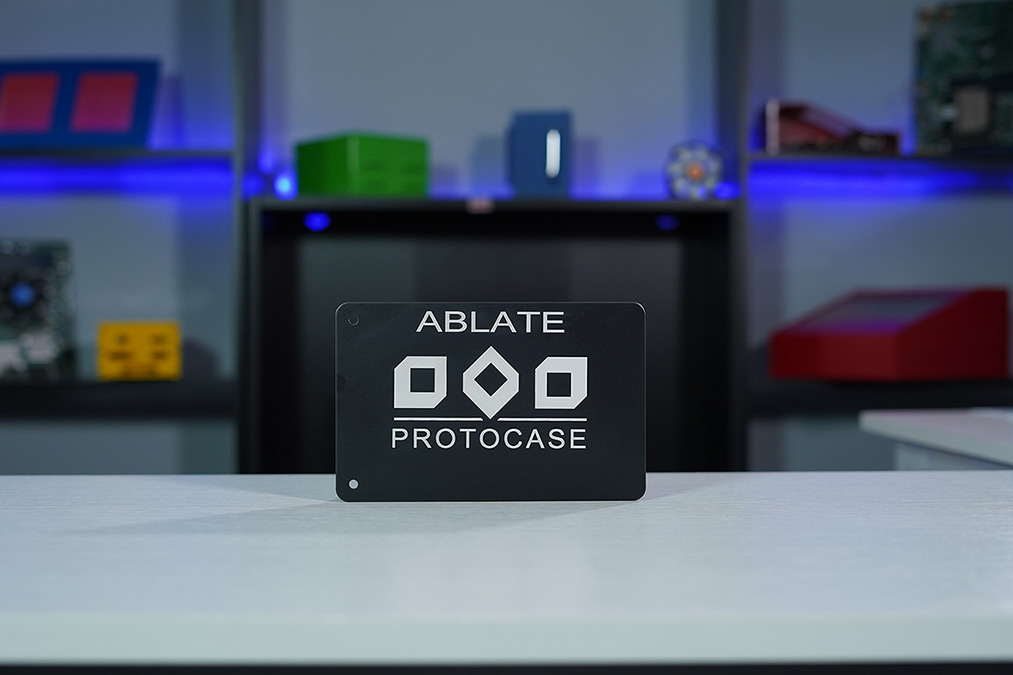
Meanwhile, with laser marking, a high-powered laser is used to remove or oxidize surface material to create a permanent mark. It is a part marking method recommended for applications requiring MIL-STD-130. The types of laser marking we offer are engrave, burn, silver, outline, ablate and anneal.

A major difference among the three methods is their color capabilities.
Digital printing offers the full CMYK spectrum of colors. For silkscreening, we have 16 solid colors in stock, with others available on request. Laser marking, however, uses no ink, so there are no color options.
Due to this, digital printing produces a vibrant, full-color, high-resolution image, making it a fantastic option for graphics with high amounts of details such as full-color logos, product branding, detailed graphics, faceplates with gradients etc.
On the other hand, silkscreening offers a bold, flat, clean and professional finish. It’s best suited for simpler logos, labels and text in one or two colors on panels or enclosures.
Laser marking creates a subtle, technical appearance with a monochrome metallic contrast, making it ideal for small text, serial numbers and barcodes, and less suited for large, filled graphics.
Digital printing produces a slightly raised and textured surface while silkscreening produces a smooth finish that is virtually indistinguishable by touch.
Laser marking, meanwhile, is etched into the metal, resulting in a mostly flush, texture-free surface. Engraving, however, removes material to create a mark with depth, which often forms shallow pockets.

For durability, laser marking is the best choice because it is permanent and resistant to abrasion, heat and chemicals. Silkscreening and digital printing are also durable, with silkscreening being slightly more so.
We can generally apply these methods only to flat surfaces. However, laser marking can reach areas that the other two cannot, offering more flexibility. If you need graphics on a slightly curved or recessed surface, please contact your Account Manager. We’ll try our best to make it happen.
At the end of the day, choosing between digital printing, silkscreening and laser marking depends on your specific requirements.
During the innovation process, it’s important to eliminate latencies from your workflow. Because when latencies occur, projects stall and lose their initial excitement, quickly becoming a burden.
To overcome this, you need to innovate at velocity, moving your projects forward fast. And Protocase can help you with that. Powered by our High Velocity Mass Customization (HVMC) model, we manufacture custom enclosures and parts in just 2-3 days, helping you accelerate your progress and meet your goals.
Newsletter Signup
Sign up to be the first to know about new blog posts and other technical resources
Stay Updated
Subscribe to our newsletter
to get our latest news.
Proudly Certified
© Protocase 2022 - All rights reserved.