/ Blog / Options for Mating 3D Printed Components to Sheet Metal Parts

Options for Mating 3D Printed Components to Sheet Metal Parts

2026-01-09

The mating of 3D printed and sheet metal fabricated parts, creates exciting new possibilities in product design and manufacturing. This hybrid approach allows you to leverage the strength and scalability of sheet metal with the design freedom and rapid prototyping capabilities of 3D printing.

However, bringing these two different materials together introduces unique challenges, particularly around design for manufacturability (DFM), preventing corrosion and ease of assembly.

Mating 3D Printed Components to Sheet Metal Parts

To start, choosing the right mating method is critical for the success of this hybrid assembly. Your decision will depend on factors like load requirements, ease of assembly, serviceability and aesthetic considerations. With that in mind, let’s take a closer look at the most common and effective options.

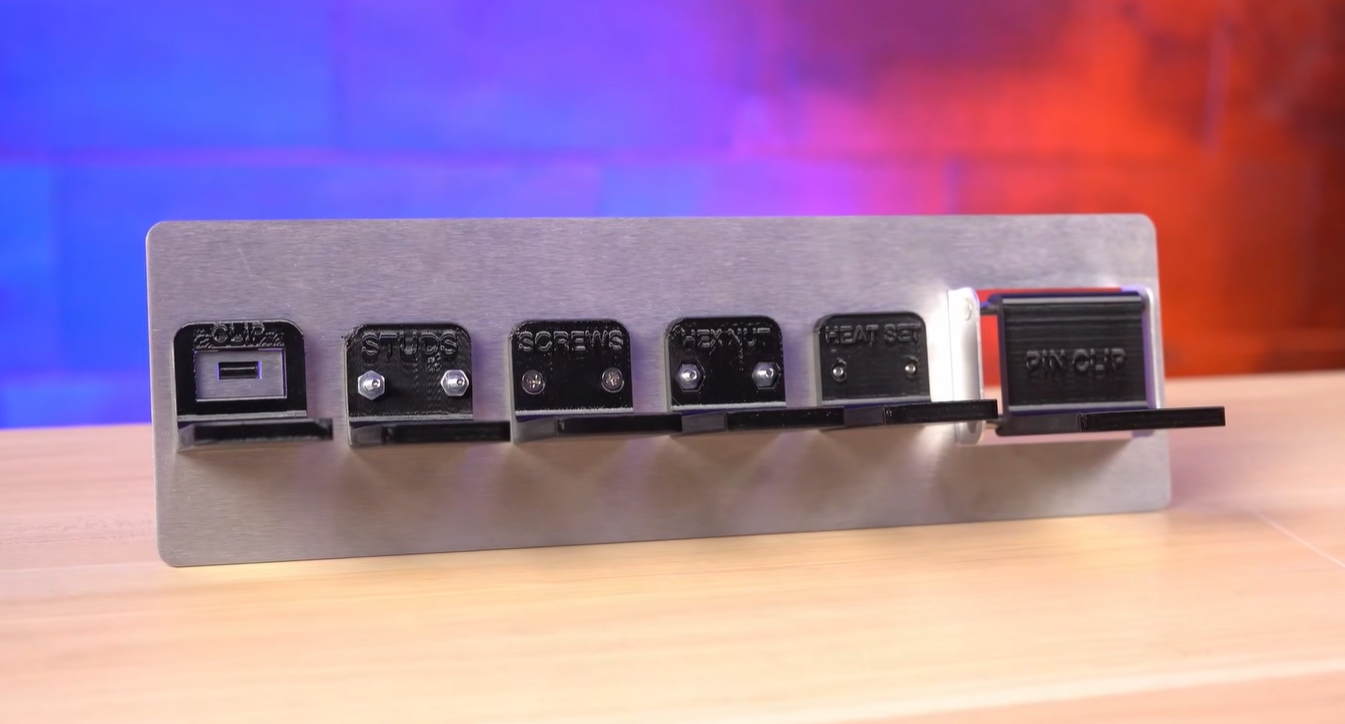
  • Using PEM Self-clinching fasteners is one of the most reliable and straightforward methods for joining 3D printed parts to sheet metal. This approach creates strong, non-permanent joints that allow for easy disassembly, reassembly and maintenance. The use of hex nuts, screws or studs are effective ways to mate 3D printed parts to sheet metal.
  • For creating durable, threaded connections in thermoplastic 3D printed parts, heat-set inserts are an excellent choice. These inserts are installed into the plastic, creating a secure bond as the plastic cools and re-solidifies. You can then use a standard screw to fasten the 3D printed component to a tapped hole or a through-hole with a nut on your sheet metal part.
  • For applications requiring rapid and repeatable assembly, creative design decisions like snap-fit joints, or the use of pin clips are a genius solution. These designs integrate flexible features directly into the 3D printed or sheet metal part that “snaps” into corresponding slots. This eliminates the need for additional hardware and significantly speeds up assembly time.
3D printed parts mated with a sheet metal part
There are a few different options for mating 3D printed components to sheet metal parts

Preventing Galvanic Corrosion

When you bring two dissimilar materials like metal and plastic together, you create a potential for corrosion, specifically galvanic corrosion. This occurs when a metal (the sheet metal) is in contact with a less noble material (like certain 3D printing filaments) in the presence of something like moisture.

The most effective way to prevent galvanic corrosion is to create a physical barrier between the metal and the 3D printed part.

Applying a non-conductive coating to the sheet metal part is a primary line of defense. Powder coating and anodizing are excellent options that create a durable, dielectric layer. This not only prevents electrical contact but also protects the metal from environmental moisture.

For an added layer of protection, especially in harsh environments, use a non-conductive gasket. Protocase can provide custom cut gaskets within our usual 2-3 lead time.

Conclusion

In the end, combining 3D printed components with sheet metal parts opens up a world of design innovation. By leveraging the strengths of each manufacturing process, you can create complex, functional and cost-effective products. However, the long-term success of these hybrid assemblies hinges on thoughtful design for manufacturability and durability.

By selecting the appropriate mating method – whether fasteners, or creating designs that have features that connect together – and proactively designing to prevent corrosion through isolation, material selection and moisture control, you can ensure your products perform reliably for their entire lifecycle.

Accelerate Your Project Velocity with Protocase

During the innovation process, it’s important to eliminate latencies from your workflow. Because when latencies occur, projects stall and lose their initial excitement, quickly becoming a burden.

To overcome this, you need to innovate at velocity, moving your projects forward fast. And Protocase can help you with that. Powered by our High Velocity Mass Customization (HVMC) model, we manufacture custom enclosures and parts in just 2-3 days; as a result, we help you accelerate your progress and meet your goals.

Newsletter Signup

Sign up to be the first to know about new blog posts and other technical resources

Stay Updated

Subscribe to our newsletter
to get our latest news.

Social Links

Terms & Conditions

© Protocase 2022 - All rights reserved.