Five Common Sheet Metal Design Challenges
At Protocase, we leverage High Velocity Mass Customization (HVMC) to manufacture custom parts, panels, brackets and enclosures in as fast as 2-3 days.
For sheet metal fabrication, we offer a wide range of options. These include different materials, finishes, graphics, part markings, cutouts, and more. As a one-stop shop, we can fully customize your parts to your exact specifications.
Understanding Sheet Metal Design Challenges
Navigating the design phase for sheet metal fabrication presents its own set of challenges. How you address them can determine your project’s success. Let’s go through these challenges:
Understanding Materials
Choosing the right material is a critical decision in any sheet metal fabrication project, as different metals respond uniquely to various manufacturing processes.
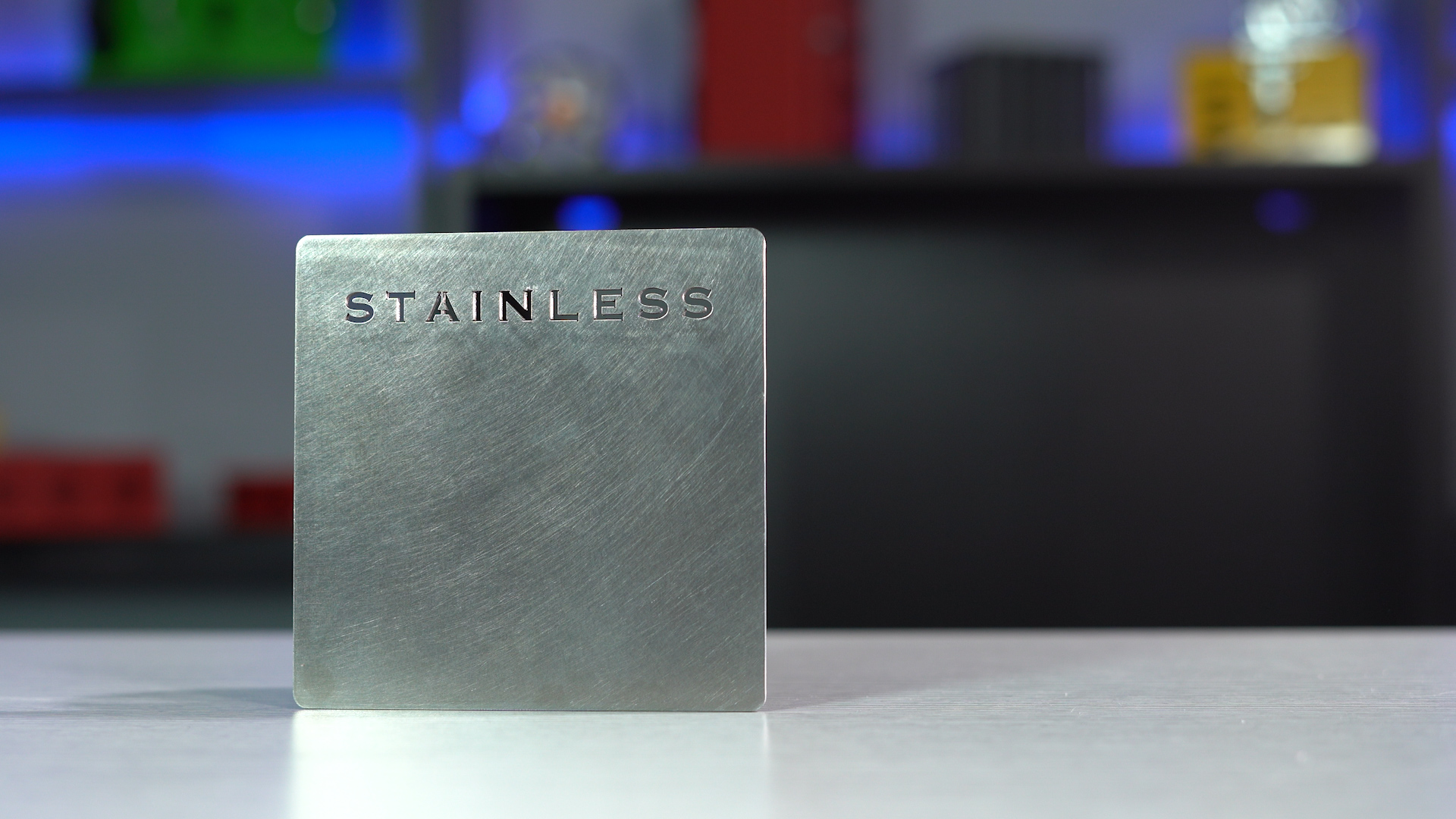
For instance, aluminum is lightweight and corrosion resistant but is weaker than steel. Mild steel is stronger but prone to rapid corrosion if left uncoated. Meanwhile, stainless steel is even stronger and corrosion resistant but can be more expensive.
So, choose your material based on a combination of functional requirements, such as strength, weight and corrosion resistance, and its fabricability.

Precision and Tolerances
Precision is essential in sheet metal fabrication, especially when your parts need to fit with other components.
However, perfect precision is impossible to achieve in practice due to small variations in material properties, processes parameters and machinery. This is where tolerances come in. Tolerances define a “safe zone” within which dimensions can vary while still maintaining the proper fit and function of your parts.
Designing with the right tolerances from the start helps prevent assembly problems or misalignment in the final product.
Our website has all the info you need on dimensional tolerances for sheet metal and machined parts.
Bend Radius and Springback
Your design should only use bend radii that are achievable during fabrication. To ensure your design meets our equipment and tooling constraints, please refer to our bend radius capabilities chart.
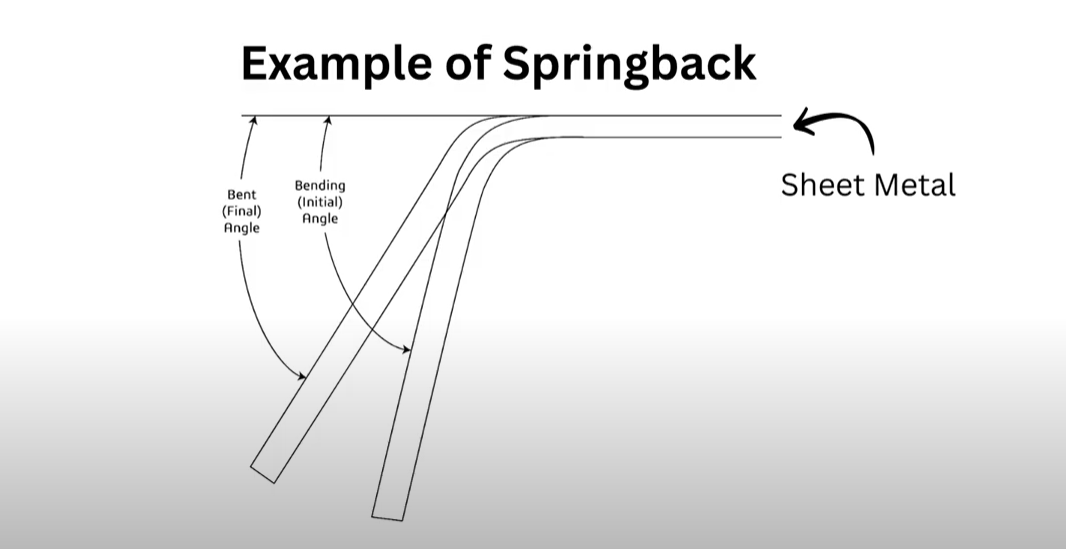
One common challenge during the bending process is springback, the material’s tendency to partially return to its original shape after being bent.
While we will handle the complexities of compensating for springback, it’s important that sheet metal designs provide clearance to allow for springback compensation to occur.
For more about springback, check out this blog.

Designing Complex Sheet Metal Parts
Needless to say, complex geometries can make sheet metal fabrication more difficult. Challenges typically arise when multiple bends are located too close together, cutouts are placed too close to bends, features interfere with press brake tooling, or deep boxes exceed machine capabilities.
Therefore, designing parts with manufacturability in mind is critical. Simplifying the geometry or adjusting bend placement can significantly improve production efficiency.
And of course, you can consider CNC machining for more complex parts!
Bridging the Gap Between Design and Manufacturing
Designing with manufacturability in mind is crucial.
Applying Design for Manufacturing (DFM) principles and communicating with our engineers and account managers early in the design process can help prevent costly delays and redesigns.
Alternatively, our in-house design software, Protocase Designer, offers live manufacturability checks. This ensures whatever you design can be manufactured by us.
You can download Protocase Designer from here!
Conclusion
By understanding common issues like material behavior, springback, tooling limitations and surface finishing requirements, you can create parts that are easier and more efficient to manufacture.
Remember, if you face challenges during the design phase, our team of engineering experts can help. They can work from your initial concept – whether it’s a simple sketch, a verbal description or a set of components and boards.
Because our Design Services team deeply understands Protocase’s manufacturing capabilities, they can ensure your final design is perfectly optimized for production.
To discuss your projects, get in touch with your Account Manager by filling out our Contact Us form.