/ Blog / Understanding Grain Direction in Sheet Metal

Understanding Grain Direction in Sheet Metal

2026-04-10

Engineers and designers often choose a powder coat finish for their custom enclosures and parts because it provides a bright, vibrant and professional look. But what if you don’t need to have your enclosures or parts painted but still need them to be aesthetically pleasing?

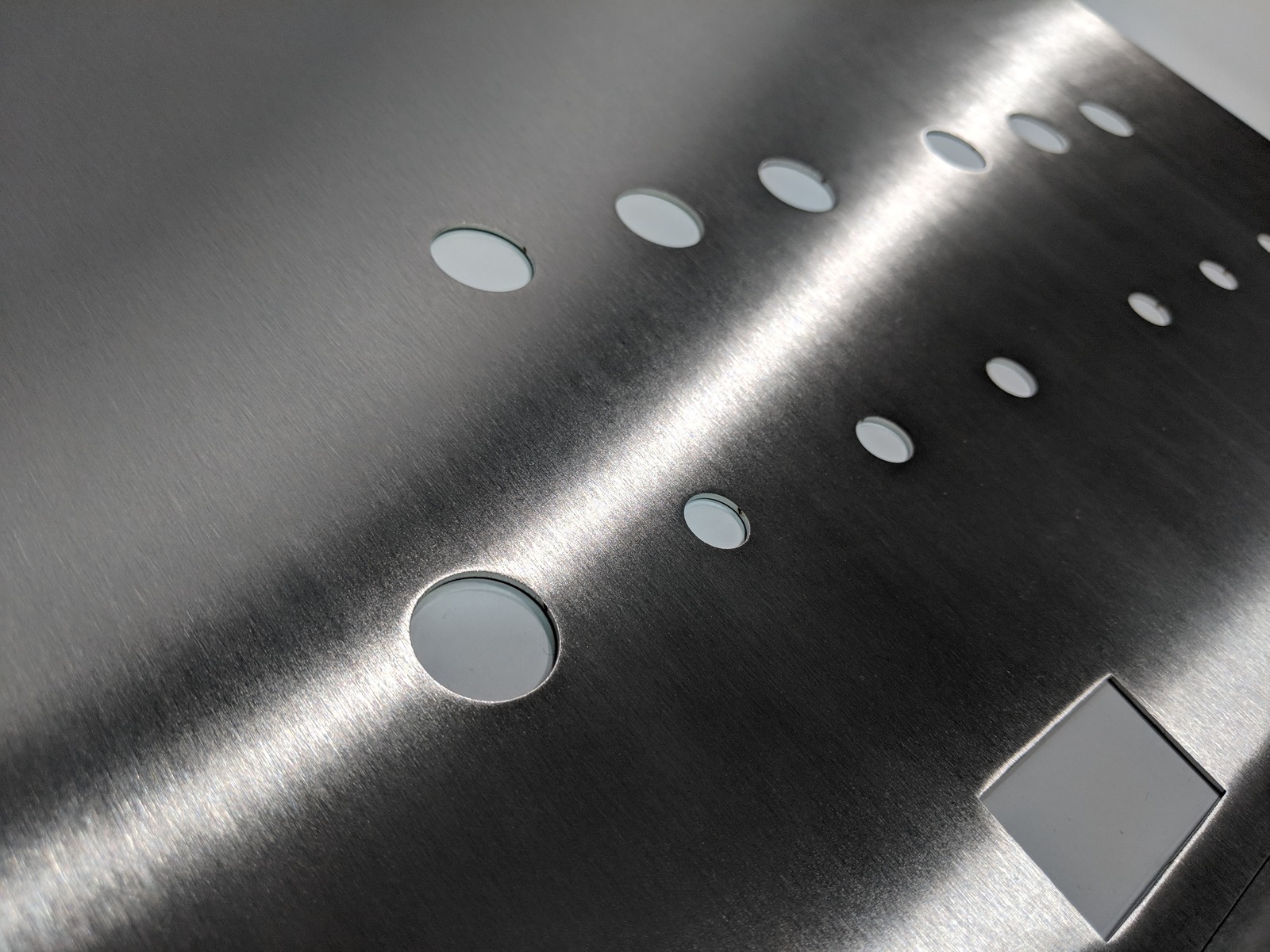
At Protocase, we offer bare-metal finishes including a grained finish that applies a linear grain onto the surface, producing a sleek, minimalist look.

Grain direction refers to the orientation of the natural crystalline structure formed during the rolling process of sheet metal. It significantly affects the material’s mechanical properties, including strength, aesthetics, durability and susceptibility to cracking when bent and/or fastened together.

We can also apply an aesthetic grained finish on top of the sheet, which can amplify some of these properties.

sheet metal part with grained finish and cutouts
A sheet metal part with a grained finish

Why Grain Direction in Sheet Metal Matters

There are multiple reasons the direction of the linear grain matters:

Bendability

  • Bending parallel to the grain direction increases the risk of cracking.
  • Bending perpendicular to the grain direction allows for greater flexibility and minimizes the likelihood of failure.

Forming Strength

  • Features that require significant forming should be oriented to take advantage of the material’s strength across the grain.
  • Avoid bending features parallel to the grain to prevent material splitting.

Cracking and Fracture Resistance

  • Bends made parallel with the grain direction are more prone to cracks, especially in materials like stainless steel and aluminum.
  • Critical load-bearing areas should be aligned perpendicular to the grain for increased durability.

Welding and Fatigue Strength

  • If your part or enclosure features welding, place weld seams perpendicular to the grain direction to avoid premature cracking.

Best Practices

When designing a part or enclosure with a grained finish, there are a few best practices to consider. Here are a few key points to remember:

Placing Bends Perpendicular to Grain Direction

It is standard practice that critical bends should be made across the grain to improve durability. Depending on your design requirements, bending perpendicular to the grain may be unavoidable. In this case, use a larger bend radius to reduce the stress concentration.

Select Proper Material Grade

At the very beginning, you will need to determine the material for your sheet metal design. Designers need to understand that some materials are more sensitive to grain direction, so consider higher-grade options for critical applications.

Stainless steel is a go-to material for grained finishes due to its ability to hold a consistent grain pattern and has superior strength and long-lasting durability.

If you are looking for a material that is perfect for a grained finish but need a lighter weight, then aluminum would be the next best choice.

Finally, cold rolled steel also has a smooth surface that is ideal for grain finishing and has excellent compatibility with protective coatings.

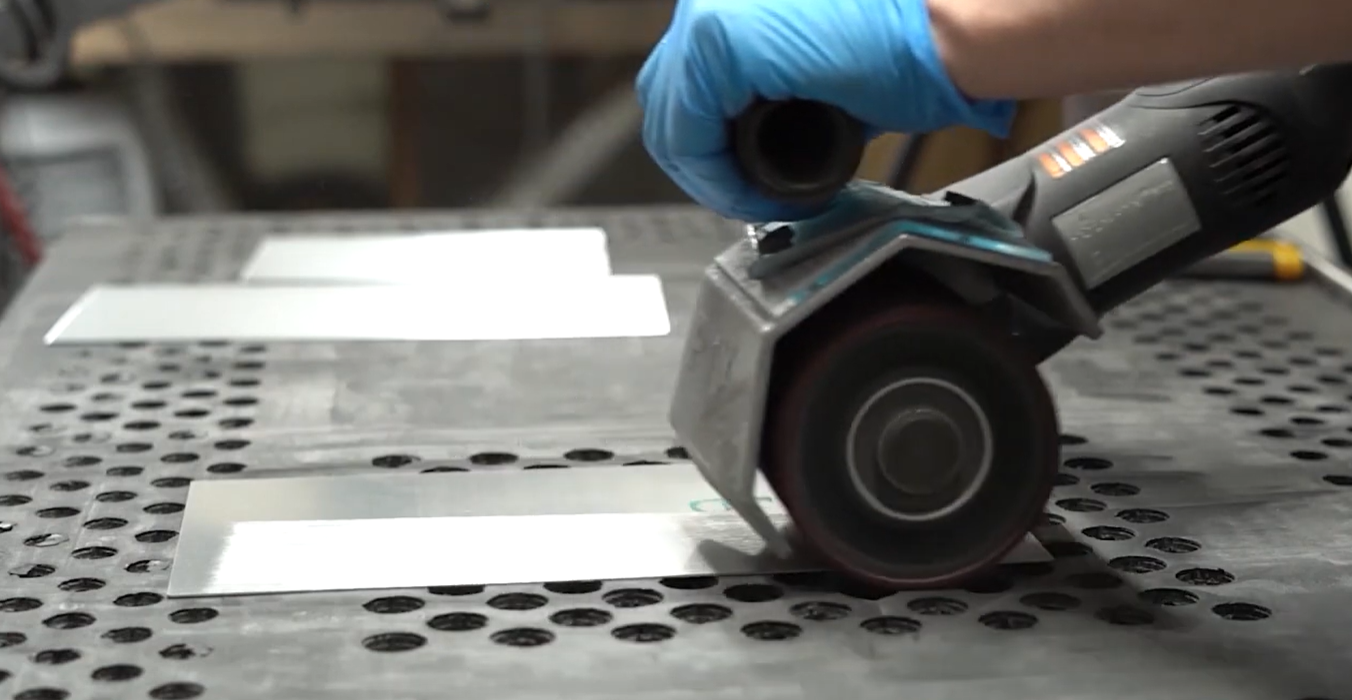
grained process being applied on a sheet metal part
We can add a grained finish to your custom parts in-house

Specifying Grain Direction on Design Drawings

When creating sheet metal flat patterns, specify grain direction using annotations to ensure proper alignment between the design files and manufacturing. Thorough communication within your design and with our Engineering & Design Services team will reduce the risk of errors and speed up the design to manufacturing process.

Since most of you will be using SolidWorks to design your next project, here’s a simple step by step on how to define grain direction inside the software:

  • Open the sheet metal part you want to work on.
  • Add notes or annotations in the part’s drawing or directly onto the part via a sketch to call out the grain direction explicitly.
  • Use clear wording such as “Grain Direction →” along with the arrow to help manufacturers understand the requirements.

Still have questions about grain direction? Please get in touch by filling out the form on our Contact Us page. We’ll be glad to help you accelerate your project velocity!

Newsletter Signup

Sign up to be the first to know about new blog posts and other technical resources

Stay Updated

Subscribe to our newsletter
to get our latest news.

Social Links

Terms & Conditions

© Protocase 2022 - All rights reserved.